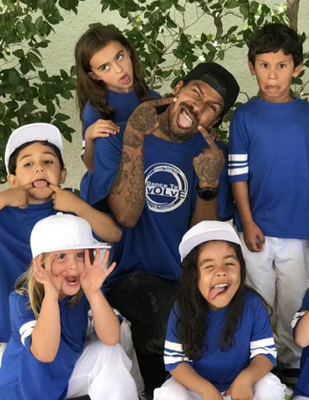
Choosing the right extracurricular activity for a child can shape their confidence, creativity, and overall development in meaningful ways. Among the many activities available today, enrolling in a dance school for children offers a unique combination of physical activity, emotional growth, and social learning. Dance is more than movement set to music—it encourages discipline, self-expression, teamwork, and joy in a supportive environment.
Parents often look for activities that keep children active while also helping them develop important life skills. Dance classes provide exactly that balance. Whether a child is naturally outgoing or shy, energetic or reserved, dance can become a positive outlet that supports healthy growth at every stage.
This article explores the many benefits of children’s dance education, what parents should look for in a dance program, and why dance continues to be one of the most rewarding activities for young learners.
Children learn best when they are engaged, active, and having fun. Dance naturally combines all three elements, making it an ideal activity for growing minds and bodies.
A quality dance school for children creates an environment where kids can develop physically while improving emotional and social skills. Through structured classes, children learn coordination, rhythm, balance, and flexibility. At the same time, they gain confidence by learning new movements and performing in front of others.
Dance also encourages creative thinking. Unlike activities that rely heavily on competition, dance often gives children the freedom to interpret music and movement in their own way. This helps young students feel comfortable expressing themselves without fear of judgment.
Dance requires children to control their movements carefully and stay aware of their body positioning. Over time, this improves coordination, posture, and balance. These physical skills can support children in other sports and daily activities as well.
In a world increasingly dominated by screens and digital entertainment, regular movement is essential for children’s health. Dance classes help children stay active while enjoying themselves in a social and energetic environment.
Unlike repetitive exercise routines, dance keeps kids engaged because every class introduces new music, movements, and activities. This makes it easier for children to stay motivated and excited about physical fitness.
Even beginner dance classes involve stretching, jumping, and controlled movements that strengthen muscles and improve flexibility. As children continue learning, they gradually build endurance and body awareness in a safe and age-appropriate way.
One of the greatest advantages of attending a dance school for children is the confidence kids develop over time. Learning routines, mastering new skills, and participating in performances help children feel proud of their accomplishments.
For shy children, dance can provide a safe way to step outside their comfort zone. For energetic children, it offers structure and focus while still encouraging creativity.
Every achievement—whether learning a simple step or performing on stage—helps build a sense of self-belief that often carries into school and other aspects of life.
Dance classes teach children how to work together toward shared goals. Group routines require cooperation, listening, and respect for instructors and classmates.
Children also learn patience and responsibility. They understand the importance of attending class regularly, practicing skills, and supporting fellow dancers during performances or activities.
These experiences help develop communication and social skills that benefit children throughout their lives.
Dance is naturally uplifting. Moving to music allows children to release energy, improve mood, and reduce stress in a healthy way.
Many parents notice that their children become happier and more emotionally balanced after participating in regular dance classes. The combination of music, movement, and positive social interaction creates a fun environment where children feel encouraged and supported.
Not all dance programs are the same. Parents should carefully evaluate the environment, teaching style, and class structure before enrolling their child.
A good dance school for children understands that young dancers learn differently at each age level. Classes should be designed to match children’s attention spans, physical abilities, and emotional development.
For younger children, lessons should focus on creativity, movement exploration, and fun. Older students may gradually begin learning more technical skills and choreography while still enjoying a supportive atmosphere.
The instructor plays a major role in a child’s dance experience. Great dance teachers are patient, encouraging, and skilled at making children feel comfortable and motivated.
Rather than focusing only on perfection or competition, strong instructors emphasize growth, effort, and enjoyment. Positive reinforcement helps children build confidence and maintain enthusiasm for learning.
Parents should also look for a clean, organized, and welcoming dance space. Children learn best when they feel safe and included.
A positive studio culture encourages friendships, teamwork, and respect among students. This type of supportive environment helps children feel excited about attending class each week.
Many dance schools offer a variety of styles that allow children to explore different forms of movement and music.
Ballet is often considered the foundation of dance training. It teaches posture, balance, coordination, and discipline while introducing children to graceful movement.
Tap classes focus on rhythm and timing through fun footwork and musical movement. Children often enjoy the energetic nature of tap dancing and the sounds created by their shoes.
Hip hop is a high-energy style that encourages creativity and self-expression. Kids enjoy the upbeat music and dynamic movements while building confidence and coordination.
For younger children, creative movement classes introduce basic dance concepts through games, storytelling, and imaginative activities. These classes are designed to make learning playful and engaging.
The skills children gain through dance often extend far beyond the studio. Participating in dance can positively influence academic performance, emotional resilience, and personal discipline.
Children who stick with dance over time often become more focused, organized, and confident in group settings. They learn how to handle challenges, accept constructive feedback, and continue improving through practice.
Dance can also become a lifelong appreciation for movement, creativity, and the arts. Even children who do not pursue dance professionally often carry the confidence and social skills they developed into adulthood.
Parents play an important role in helping children enjoy and succeed in dance. Encouragement, patience, and positive reinforcement can make a major difference in a child’s experience.
Rather than focusing only on performance results, parents should celebrate effort, improvement, and enjoyment. Every child progresses at a different pace, and the goal should be helping them feel confident and excited about learning.
Attending recitals, listening to their experiences, and supporting regular practice can help children stay motivated while strengthening their love for dance.
Enrolling a child in dance classes is about far more than learning choreography. A nurturing dance school for children helps kids develop confidence, creativity, discipline, and social skills in an engaging and supportive setting. Through movement and music, children discover new ways to express themselves while building healthy habits that can benefit them for years to come.
From improved coordination to stronger self-esteem, the advantages of dance education reach well beyond the classroom. Parents seeking an activity that combines fun, learning, and personal growth often find that dance is one of the most rewarding choices available.
Families looking for a welcoming environment where children can learn, laugh, and grow through dance may explore the programs available at Dance To EvOLvE. With age-appropriate instruction and a focus on joyful learning, children can develop valuable skills while enjoying every step of the journey.
The right dance experience can inspire a lifelong love for movement, creativity, and self-confidence.