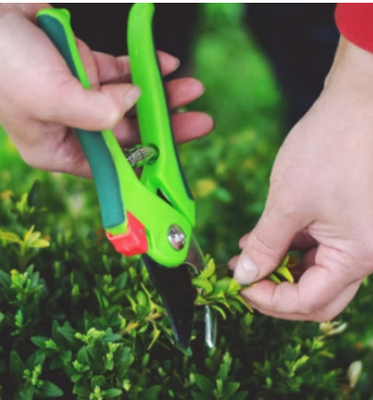
Sydney gardens are beautiful — but they can turn into a nightmare fast. One missed week of care, and the lawn edges blur, hedges sprawl, and weeds take over beds you spent hours planting. For busy homeowners, garden maintenance in Sydney is not just about looks. It is about choosing the right plants from the start so your outdoor space stays tidy without constant effort.
The plants you choose determine how much work your garden creates. Choose wrong, and you are watering, pruning, and replacing things all year. Choose right, and your garden largely looks after itself between professional visits.
Most homeowners blame their schedule when the garden gets out of hand. But often, the real problem started at the nursery. High-maintenance plants in the wrong conditions create constant work. They need extra water, die in dry spells, and attract pests.
Sydney's climate is warm, humid in summer, and mild in winter. Not every plant thrives in that mix. Choosing plants suited to local conditions cuts your watering time, reduces pest problems, and keeps your garden looking sharp with far less intervention.
A well-planned garden is not just easier to enjoy. It is easier — and cheaper — to maintain professionally too.
Lomandra is one of the toughest plants for Sydney conditions. It handles drought, full sun, and poor soil without complaint. The strappy leaves stay tidy without regular trimming. Plant it along borders or garden edges and it holds its shape season after season.
It also works well on sloped blocks — a common challenge in areas like Wahroonga, Turramurra, and other parts of the North Shore — where soil erosion can become a problem after heavy rain.
Westringia looks polished with very little effort. It handles dry spells well and responds beautifully to light trimming. Many Sydney homeowners use it as a hedge alternative. It grows at a manageable pace, so you are not battling overgrowth every few weeks.
For garden maintenance in Ku-ring-gai, where properties often feature large hedge lines and formal garden layouts, Westringia gives you that structured look without the high upkeep.
Agapanthus thrives in Sydney's heat and requires almost no attention once established. It flowers in summer with striking blue or white blooms and fills garden beds with dense, weed-suppressing foliage. You do not need to water it often, and it rarely attracts pests.
One practical tip — deadhead the spent flowers after blooming to keep the bed looking clean. That small step takes minutes and makes a visible difference.
Lilly Pilly is a favourite across Sydney for good reason. It grows quickly into a dense hedge, provides privacy, and handles regular trimming without stress. It is one of the most versatile screening plants available for Australian gardens.
In areas like Gordon, Killara, and Pymble — where large properties often require defined boundaries — Lilly Pilly delivers both function and kerb appeal. Keep it trimmed every couple of months and it stays neat without much else required.
Dianella is compact, colourful, and extremely low fuss. It suits garden borders, pots, and sloped areas equally well. The blue-purple berries add visual interest, and the plant tolerates both dry spells and occasional waterlogging — a useful trait in Sydney's unpredictable wet seasons.
It pairs well with mulch, which brings us to one of the most underrated steps in low-maintenance gardening.
Mulch does more than make a garden bed look finished. It locks moisture into the soil, which means less frequent watering. It suppresses weeds before they establish. And as it breaks down, it improves soil structure over time.
For any Sydney garden, applying a 5–7 cm layer of mulch around your plants after installation makes an immediate difference. Garden beds stay cleaner, plants grow stronger, and your maintenance visits become shorter.
This is why mulching is a core part of professional lawn and garden care — not an optional add-on.
Gardens across the Ku-ring-gai area come with their own challenges. Properties here often feature sloped terrain, large established trees, and formal hedge lines that need consistent shaping. The leafy environment looks stunning but generates significant seasonal debris — fallen leaves, branches, and organic matter that builds up quickly.
During autumn especially, garden clean-up becomes essential. Leaf litter blocks gutters, smothers lawn, and creates damp conditions that invite pests. Staying on top of garden maintenance in Ku-ring-gai through the season change protects both your garden and your property.
Choosing plants like Lilly Pilly, Westringia, and Lomandra in these gardens reduces the reactive maintenance load significantly. You are working with the environment instead of against it.
You do not need to spend every weekend outdoors to keep things tidy. A few consistent habits make a real difference between visits.
These are not complicated tasks. But skipping them for a few weeks compounds quickly, especially in Sydney's humid summer months when growth accelerates.
The right plants make every garden easier to manage. Combined with consistent care and seasonal attention, your outdoor space stays healthy, tidy, and enjoyable without eating up your weekends. For Sydney homeowners who want reliable, no-fuss garden maintenance in Sydney, Dad Mows Best offers honest, practical service across the Ryde and Ku-ring-gai areas. Visit us to book your free quote and get your garden working smarter, not harder.
What plants need the least maintenance in Sydney?
Lomandra, Westringia, Agapanthus, Lilly Pilly, and Dianella are all well-suited to Sydney's climate and require minimal ongoing care once established.
How often should I schedule garden maintenance in Sydney?
Most Sydney homeowners benefit from fortnightly visits in summer when growth peaks, and monthly visits during cooler months.
Does mulching really reduce garden maintenance?
Yes. Mulch suppresses weeds, retains soil moisture, and reduces how often you need to water — cutting overall maintenance time significantly.
What makes Ku-ring-gai gardens harder to maintain?
Sloped blocks, large hedge lines, and heavy leaf fall from mature trees mean gardens in the Ku-ring-gai area need more frequent seasonal attention than smaller suburban plots.
When is the best time to start a low-maintenance garden in Sydney?
Autumn is ideal. Cooler temperatures help new plants establish strong roots before summer heat arrives.