In many homes and offices today, technology changes faster than people expect. A computer purchased just five or six years ago may already feel outdated compared to modern devices. As businesses upgrade equipment and households replace older machines, a growing challenge emerges: what should be done with the old hardware? This question is at the center of computer recycling, an issue that environmental professionals and waste management experts deal with regularly.
Discarded computers are not just ordinary waste. They contain valuable materials such as aluminum, copper, and rare earth metals, but they also include components that can pose environmental risks if handled improperly. Unfortunately, many people still store unused electronics in closets or dispose of them incorrectly, unaware of the potential impact.
Across regions such as Southern California, programs related to San Diego E-Waste have expanded in response to this growing concern. These initiatives aim to ensure that outdated electronics are processed safely, protecting both the environment and sensitive data stored on old devices.
From an environmental standpoint, computers represent one of the most complex waste streams. A typical desktop computer contains multiple materials—plastic housings, circuit boards, wiring, batteries, and glass components. When these items end up in landfills, they can break down slowly over time.
Some electronic parts contain substances that should not enter soil or groundwater. While modern regulations attempt to control this risk, improper disposal still occurs when people are unaware of responsible alternatives.
This is one reason computer recycling programs have become an essential part of modern waste management systems. Proper processing allows valuable materials to be recovered and reused in manufacturing, reducing the demand for newly mined resources.
Professionals in electronic waste management often point out that recycling one ton of circuit boards can yield more precious metals than mining several tons of raw ore. This illustrates how responsible recycling practices can reduce environmental pressure while supporting resource recovery.
For individuals unfamiliar with the recycling industry, the process behind computer recycling may seem unclear. In reality, it involves several carefully managed stages designed to separate materials and prevent environmental contamination.
The first step typically involves collection and sorting. Devices are categorized based on type, condition, and material composition. Equipment that can still function may be refurbished or repurposed for secondary use.
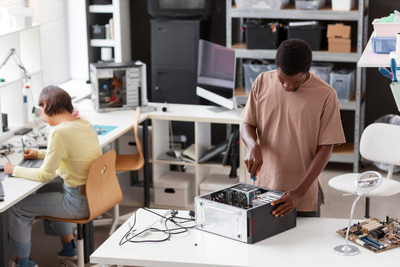
Next comes dismantling. Skilled technicians separate components such as hard drives, memory modules, power supplies, and circuit boards. Each material stream is handled differently depending on its composition.
Metals such as aluminum and copper are sent to specialized facilities where they are melted and reused in manufacturing. Plastics are processed separately, often shredded and repurposed into new products.
Throughout this process, strict environmental regulations guide how materials are handled, particularly in regions with strong oversight like those involved in San Diego E-Waste initiatives.
Beyond environmental concerns, there is another major issue connected to electronic waste: data security. Many individuals underestimate the amount of sensitive information stored on their computers.
Old hard drives may contain financial records, personal photographs, saved passwords, and confidential business documents. Simply deleting files or formatting a drive does not always eliminate this data completely.
Professionals working in computer recycling emphasize the importance of proper data destruction methods. Certified recycling facilities often use techniques such as secure data wiping, degaussing, or physical destruction of storage devices to ensure that information cannot be recovered.
Businesses, in particular, must be cautious when disposing of electronic equipment because improper handling could lead to privacy violations or regulatory complications.
Despite increasing awareness of electronic waste issues, several mistakes continue to appear frequently when people attempt to dispose of old devices.
One common mistake is storing unused electronics indefinitely. Many households keep outdated computers in closets or garages for years because they are unsure what to do with them. Over time, these devices simply accumulate without being recycled.
Another issue involves informal resale or donation without proper data removal. While donating functioning computers can be beneficial, failing to erase personal data thoroughly can create privacy risks.
Improper disposal is another challenge. Some people still place electronic devices in regular trash bins, unaware that many regions prohibit this practice.
Professionals involved in San Diego E-Waste management often encourage residents to check local recycling programs or certified collection centers instead of relying on informal disposal methods.
Companies face additional responsibilities when managing outdated technology. Offices often replace computers in large batches, creating significant volumes of electronic waste.
Responsible businesses typically develop structured equipment lifecycle policies. These policies outline how devices are tracked, when they are replaced, and how they are disposed of securely.
Working with certified recycling providers ensures that old equipment is processed according to environmental regulations while also protecting sensitive business data.
In many cases, organizations also request documentation confirming that their electronic waste was handled properly. These records may be required for internal audits or regulatory compliance.
For individuals trying to handle outdated devices responsibly, several practical steps can make the process easier.
First, determine whether the computer still functions. If it does, refurbishment or donation may be an option. Schools, community organizations, or technology training programs sometimes accept working equipment.
Second, remove personal data before recycling. This may involve wiping the hard drive using specialized software or physically removing the storage device.
Third, locate a certified recycling center. Many communities now offer designated collection events or permanent drop-off sites designed specifically for electronic waste.
Following these steps helps ensure that devices are handled responsibly and do not contribute to unnecessary environmental harm.
As technology continues to evolve, electronic waste will remain an ongoing challenge for communities and industries alike. Programs dedicated to computer recycling play a vital role in reducing environmental impact while recovering valuable materials from outdated devices.
Organizations such as Sdewaste work within broader initiatives related to San Diego E-Waste, helping ensure that discarded electronics are processed safely and responsibly. Through organized collection programs and certified recycling methods, these efforts contribute to environmental protection and sustainable resource management.
By encouraging responsible disposal practices and increasing public awareness, recycling programs help communities manage the growing volume of outdated technology in a safer and more sustainable way.