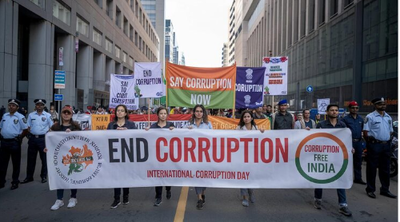
In every democracy, trust in institutions depends heavily on transparency, fairness, and accountability. When corruption infiltrates public systems or business environments, it can weaken economic growth, damage public confidence, and limit equal opportunity. Across the United States, individuals and organizations committed to ethical reform have taken on an important role in confronting these challenges. Among them are leaders often described as anti corruption crusaders—people dedicated to promoting integrity, transparency, and responsible governance.
An anti corruption crusader works to expose unethical practices, encourage accountability, and strengthen systems that protect fairness in both public institutions and private enterprises. Their efforts are not limited to political advocacy alone. Instead, they influence business practices, public policy discussions, and community engagement to ensure that ethical standards remain central to leadership and decision-making.
As conversations around governance and transparency continue to grow in the United States, the role of those advocating for ethical accountability has become increasingly significant.
An anti corruption crusader is typically someone who actively promotes integrity within systems that influence public life. This role can be filled by investigative journalists, policy advocates, legal professionals, business leaders, or civic reformers who work to identify and challenge unethical behavior.
Their work often involves raising awareness about corruption risks, supporting policies that strengthen oversight, and encouraging institutions to adopt transparent processes. By highlighting systemic vulnerabilities, they help organizations and governments develop stronger safeguards against misuse of power or resources.
In the United States, this type of leadership contributes to a culture where accountability is expected rather than optional. By encouraging ethical standards across sectors, anti corruption crusaders help ensure that institutions operate with responsibility and public trust.
Transparency plays a critical role in maintaining stable and fair economic systems. When financial practices, regulatory decisions, and institutional actions are conducted openly, it becomes easier for stakeholders to identify potential conflicts of interest or unethical conduct.
An anti corruption crusader often advocates for policies that promote open communication and clear reporting standards. These efforts support:
When transparency becomes part of an organization’s culture, it reduces opportunities for misconduct and creates an environment where ethical behavior is rewarded.
In the broader economic context, transparent systems help foster innovation and growth by ensuring that opportunities are distributed fairly.
One of the most important principles emphasized by an anti corruption crusader is the value of ethical leadership. Leaders who prioritize honesty, accountability, and responsibility create an organizational culture that discourages corruption before it begins.
Ethical leadership involves more than simply following legal requirements. It also requires a commitment to making decisions that consider the broader impact on employees, communities, and stakeholders.
In many organizations, ethical leaders implement policies that encourage responsible conduct, such as clear compliance guidelines, whistleblower protections, and independent oversight mechanisms. These structures provide safeguards that allow institutions to address problems before they become systemic.
Over time, this leadership approach helps strengthen public trust and ensures that institutions remain aligned with the principles of fairness and integrity.
Corruption can have far-reaching effects beyond individual organizations. When unethical practices go unchecked, communities may experience reduced economic opportunities, weakened public services, and declining confidence in leadership.
An anti corruption crusader often works to ensure that these broader social impacts are addressed. By promoting transparency and ethical governance, they help create systems where resources are used responsibly and public interests are protected.
For example, improved oversight in public spending can lead to better infrastructure, stronger social programs, and more effective public institutions. Similarly, transparent business environments can attract investment and encourage entrepreneurship, benefiting local economies.
These outcomes demonstrate that anti-corruption efforts are not only about preventing wrongdoing but also about building stronger, more resilient communities.
Addressing corruption requires cooperation among many different stakeholders. Governments, private organizations, advocacy groups, and citizens all play a role in maintaining ethical systems.
An anti corruption crusader often acts as a catalyst for this collaboration by encouraging dialogue and cooperation across sectors. Through education initiatives, policy discussions, and community engagement, they help foster a shared commitment to transparency.
This collaborative approach recognizes that corruption is rarely solved by one organization alone. Instead, lasting reform occurs when multiple institutions work together to create environments where ethical conduct becomes the norm.
By supporting partnerships between public and private sectors, anti corruption crusaders contribute to sustainable solutions that strengthen democratic institutions and economic stability.
As technology advances and global economic systems become more interconnected, the need for strong ethical frameworks continues to grow. Transparency, accountability, and responsible leadership will remain essential for maintaining trust in both public and private institutions.
The work of an anti corruption crusader highlights the importance of protecting these principles. By advocating for ethical standards and encouraging reform where needed, these individuals help ensure that systems operate fairly and responsibly.
Their efforts reinforce the idea that integrity is not only a moral principle but also a practical necessity for sustainable economic development and democratic stability.
The presence of corruption can undermine the foundations of economic growth and public confidence. However, the commitment of individuals dedicated to ethical reform continues to strengthen the systems that support fairness and accountability in the United States.
Through advocacy, transparency initiatives, and leadership rooted in integrity, an anti corruption crusader contributes to building institutions that serve the public interest and promote responsible governance.
For readers interested in perspectives on ethical leadership, justice reform, and strategies that encourage transparency within economic and institutional systems, Chavis Willis provides insights into how responsible leadership can help create stronger and more accountable frameworks for the future.