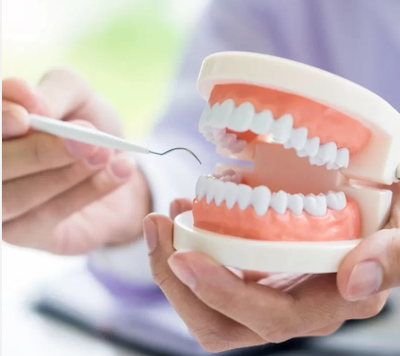
This guide explains the procedure, recovery, and cost factors in simple terms. You will understand when removal becomes necessary and how to make smart decisions for your health.
Wisdom teeth are the last molars to appear in your mouth. They usually develop during late teens or early adulthood. Many jaws do not have enough space for these teeth to grow properly. When space is limited, the teeth may push against others or stay trapped under the gums.
This can cause repeated pain, swelling, or infection. Some people also notice headaches or jaw stiffness. Food can easily get stuck around partially erupted teeth, which increases the risk of decay and gum disease. Dentists often recommend removal before complications become severe because early treatment is usually easier and safer.
Most patients worry about pain or discomfort before surgery. In reality, modern dental techniques make the process much more comfortable than people expect. The appointment usually begins with a detailed examination and imaging. X-rays help the dentist see tooth position, root shape, and nearby nerves. This information guides the treatment plan.
The area is then fully numbed using local anesthesia. Some patients choose sedation for additional relaxation, especially if multiple teeth need removal. Once you are comfortable, the dentist loosens the tooth gently. If the tooth is impacted, a small incision may be made in the gum. In some cases, the tooth is divided into smaller sections to make removal easier and safer.
After the tooth is removed, the area is cleaned carefully. Stitches may be placed to support healing. You will receive clear instructions before leaving the clinic. Most procedures take between thirty and sixty minutes, depending on complexity.
Costs vary because every patient has a different situation. A simple removal where the tooth is fully visible usually costs less than surgical extraction for impacted teeth. The number of teeth removed also changes the total amount.
Several elements affect pricing. Tooth position, bone involvement, and root shape influence difficulty. Sedation or anesthesia type also changes cost. Imaging, medications, and follow-up care may be included in estimates. In many cases, patients pay a few hundred dollars per tooth, while complex surgical procedures can cost more.
Insurance often covers part of the treatment, especially when removal is medically necessary. Checking your coverage before the procedure helps avoid financial surprises. Many clinics also discuss payment options to make care more accessible.
Some wisdom tooth problems cannot wait for a routine appointment. Severe infection can spread quickly and affect overall health. Recognizing warning signs helps you act before complications worsen.
Persistent swelling in the face or jaw often signals infection. Fever combined with tooth pain may indicate an abscess. Difficulty opening your mouth or swallowing also requires urgent care. Heavy bleeding or pus around the gums should never be ignored. Seeking emergency dental care Toronto in these situations protects both oral and general health.
Healing usually follows a predictable pattern. During the first day, mild bleeding and swelling are common. Rest is important during this time. Applying a cold compress helps reduce inflammation and discomfort. Pain medication prescribed by your dentist keeps symptoms manageable.
Swelling often peaks around the second or third day, then slowly improves. Eating soft foods prevents irritation to the surgical area. By the fourth or fifth day, many people return to normal routines with minor discomfort. Jaw stiffness gradually decreases over the week. Full healing of bone and gum tissue can take several weeks, but daily activities usually resume much sooner.
Following instructions carefully reduces complications. Avoid smoking, using straws, or touching the area unnecessarily. Gentle cleaning keeps the mouth healthy while healing continues.
The experience and environment of your dental clinic influence both comfort and results. A clinic with modern imaging technology and experienced professionals can handle complex cases safely. Clear communication also matters. You should understand your treatment plan, cost estimate, and recovery expectations before the procedure begins.
A supportive environment reduces anxiety. Knowing help is available if concerns arise during recovery provides peace of mind. Patients often feel more confident when care feels organized and professional.
Many people delay treatment because symptoms come and go. Pain may fade for weeks, then return suddenly with more intensity. Each infection episode increases the risk of complications. Waiting too long can also make removal more difficult because roots continue to develop over time.
Early removal often means faster healing and fewer risks. If your dentist recommends extraction, acting sooner usually leads to a smoother experience. Ignoring symptoms rarely solves the problem permanently.
Simple preparation steps reduce stress and improve recovery. Planning transportation home is important if sedation is used. Wearing comfortable clothing helps you relax during the appointment. Stocking soft foods ahead of time prevents last-minute stress after surgery.
You should also discuss medications and medical history with your dentist. Clear communication ensures safe treatment. Preparation creates a sense of control, which lowers anxiety before the procedure.
Many patients notice relief soon after healing begins. Removing problematic wisdom teeth reduces the risk of future infections and crowding. Oral hygiene becomes easier when hard-to-reach molars are no longer present. Chewing also feels more comfortable without pressure from impacted teeth.
Preventive removal can protect surrounding teeth from damage. For some people, this decision prevents years of recurring discomfort and repeated dental visits. The long-term benefits often outweigh the temporary recovery period.
Persistent wisdom tooth pain affects daily life, sleep, and overall comfort. Taking action early protects your health and prevents complications from spreading. If you are considering Wisdom Tooth Extraction Toronto, choosing a trusted clinic with experienced professionals can make the process smoother and less stressful.
Many patients prefer a place that combines dental expertise with coordinated healthcare support. HealthOne offers an integrated approach designed around patient comfort and recovery. Appointments fill quickly, especially when symptoms worsen unexpectedly, so timely care matters. Visit us to learn more or schedule your consultation.