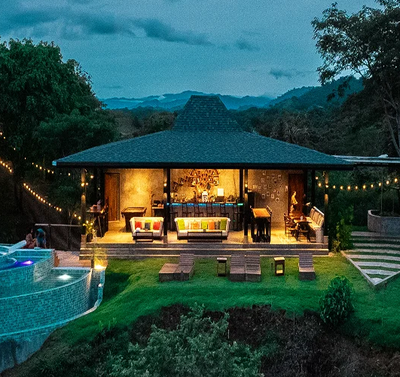
In today’s fast-paced world, many people feel emotionally drained, mentally overwhelmed, and physically exhausted. This growing sense of burnout has led travelers and wellness seekers to explore restorative retreats as a meaningful way to slow down, reset, and reconnect with themselves. Rather than focusing on rigid schedules or intense programs, these retreats emphasize rest, reflection, and renewal—allowing the body and mind to heal naturally in a supportive environment.
Modern wellness is no longer about quick fixes. It is about sustainable healing, mindful living, and creating space to breathe. Retreat experiences designed around restoration offer exactly that: time, nature, and guidance to help individuals return to a state of balance.
Restorative wellness is rooted in the idea that true healing occurs when we feel safe, supported, and unhurried. Unlike high-energy fitness retreats or strict detox programs, restorative wellness focuses on gentle practices that calm the nervous system and encourage inner awareness.
These experiences often include mindfulness sessions, breathwork, gentle movement, and quiet moments for reflection. The goal is not transformation through pressure, but healing through presence. Many people discover that slowing down is the most powerful way to restore clarity and emotional stability.
The constant stimulation of digital life, work stress, and personal responsibilities leaves little room for genuine rest. Even vacations can feel rushed and exhausting. This is why intentional wellness journeys are becoming increasingly popular.
People seek environments where they can:
By stepping away from distractions, individuals gain clarity, emotional resilience, and renewed energy that extends long after the retreat ends.
Nature plays a vital role in restorative experiences. Lush landscapes, fresh air, and natural sounds have a calming effect on the mind and body. Research shows that time spent in nature can lower stress hormones, improve mood, and support emotional well-being.
Many retreats are intentionally located in serene environments—surrounded by forests, oceans, or mountains—to amplify the healing process. This natural immersion allows participants to feel grounded, present, and deeply connected to their surroundings.
A core element of restorative retreats is the inclusion of mindful practices that encourage inner awareness and emotional release. These practices are gentle yet powerful, offering tools that participants can carry into everyday life.
Common elements include:
Midway through many wellness journeys, participants often realize that restorative retreats are less about doing more and more about learning how to simply be. This shift in mindset creates space for emotional clarity and lasting peace.
One of the most profound benefits of restorative wellness experiences is emotional healing. Being in a supportive environment where judgment is absent allows individuals to process emotions that are often ignored in daily life.
These retreats provide:
Such environments help participants release emotional tension, reconnect with intuition, and rebuild inner confidence.
Beyond rest and recovery, restorative retreats often support broader wellness goals. Many participants report improved mindfulness, better stress management, and a renewed commitment to holistic wellness.
Secondary benefits include:
These experiences encourage sustainable change rather than temporary relief, making them valuable for long-term well-being.
Restorative retreats are ideal for a wide range of individuals, including:
No prior experience with meditation or wellness practices is required. The emphasis is on accessibility, comfort, and personal pacing.
When selecting a retreat, it’s important to consider the philosophy, environment, and level of support offered. Look for programs that prioritize rest, personalization, and emotional safety rather than rigid routines.
Key factors to consider:
The right retreat should feel inviting, nurturing, and aligned with your personal healing goals.
What makes a restorative retreat different from other wellness retreats?
Restorative retreats focus on rest, emotional healing, and nervous system regulation rather than intense physical or structured programs.
Do I need prior wellness experience to attend?
No. These retreats are designed for beginners and experienced wellness seekers alike, with gentle and accessible practices.
How long do the benefits typically last?
Many participants experience long-term benefits such as improved emotional balance, better stress management, and enhanced self-awareness.
Are restorative retreats suitable for busy professionals?
Yes. They are especially beneficial for individuals experiencing burnout or chronic stress.
What should I expect from a typical day?
A typical day includes gentle movement, mindfulness sessions, time in nature, nourishing meals, and plenty of space for rest and reflection.
At its heart, the purpose of restorative retreats is to help individuals return to themselves calmer, clearer, and more aligned. By offering space to rest deeply and reconnect with inner wisdom, these experiences create meaningful and lasting change.
At Alaya Panama, this philosophy is honored through thoughtfully designed wellness experiences that prioritize rest, mindfulness, and holistic healing. For those seeking genuine renewal and a deeper sense of balance, such journeys offer not just a pause from life, but a powerful return to what truly matters.