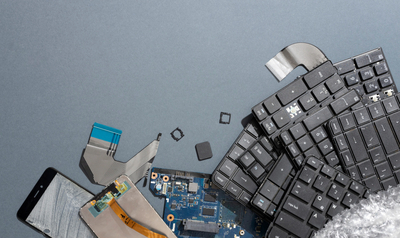
In today’s fast-paced digital world, computers and electronic devices become obsolete quickly. With rapid technological advancements, millions of computers are discarded annually, contributing significantly to electronic waste. Computer recycling has emerged as an essential practice to manage this growing problem responsibly. It not only reduces environmental impact but also recovers valuable materials, promotes sustainability, and ensures proper disposal of hazardous components.
This guide explores the importance of IT equipment recycling, the processes involved, benefits for businesses and individuals, and tips for responsible e-waste management.
Electronic waste is one of the fastest-growing waste streams globally. Computers contain toxic substances such as lead, mercury, and cadmium that can harm the environment and human health if not disposed of properly. IT equipment recycling mitigates these risks by ensuring safe handling and disposal of hazardous components.
Additionally, computers contain valuable metals like gold, silver, and copper, which can be recovered and reused. Recycling reduces the demand for mining new materials, conserving natural resources and lowering the overall environmental footprint.
By adopting IT equipment recycling practices, individuals, businesses, and institutions contribute to a circular economy, where materials are reused and waste is minimized.
The IT equipment recycling process involves several steps designed to maximize safety, efficiency, and resource recovery:
Old computers are collected from homes, offices, or recycling centers and transported to specialized facilities. Organizations may offer pick-up services to make the process convenient.
Before recycling, sensitive information stored on hard drives must be securely erased or destroyed. This protects personal and corporate data from potential breaches. Certified data destruction is a key step in responsible IT equipment recycling.
Recycling facilities dismantle computers into components such as motherboards, CPUs, RAM, hard drives, and power supplies. Materials are sorted into categories: metals, plastics, glass, and circuit boards.
Valuable materials like gold, copper, and aluminum are extracted for reuse in manufacturing new electronics. Plastics are often shredded and repurposed, while glass components may be reused in various industries.
Components containing toxic substances are handled according to strict environmental regulations. Proper disposal ensures that harmful chemicals do not contaminate soil or water systems.
This structured approach ensures that IT equipment recycling is both environmentally safe and economically beneficial.
The advantages of IT equipment recycling extend across environmental, economic, and social dimensions:
Businesses often upgrade computer equipment regularly, generating substantial e-waste. Implementing a formal IT equipment recycling program provides multiple advantages:
Institutions such as schools, universities, and government offices can similarly implement structured recycling programs to manage obsolete computers efficiently and responsibly.
Individual households also contribute to the growing challenge of electronic waste. Here are ways individuals can engage in IT equipment recycling:
By taking these steps, individuals actively reduce their environmental impact and promote responsible consumption.
The field of computer recycling continues to evolve with technological advancements:
These innovations increase the efficiency and environmental benefits of IT equipment recycling.
Computer recycling is a critical practice in today’s digital era, ensuring responsible disposal of obsolete electronics while recovering valuable materials and protecting the environment. Whether for individuals, businesses, or institutions, adopting proper recycling methods contributes to sustainability, resource conservation, and public health.
By understanding the recycling process, participating in certified programs, and promoting awareness, society can minimize the impact of electronic waste. From data destruction to material recovery, each step in IT equipment recycling reinforces the importance of environmental responsibility in the digital age.